
Baby Bottle Tooth Decay: A Parent’s Responsibility
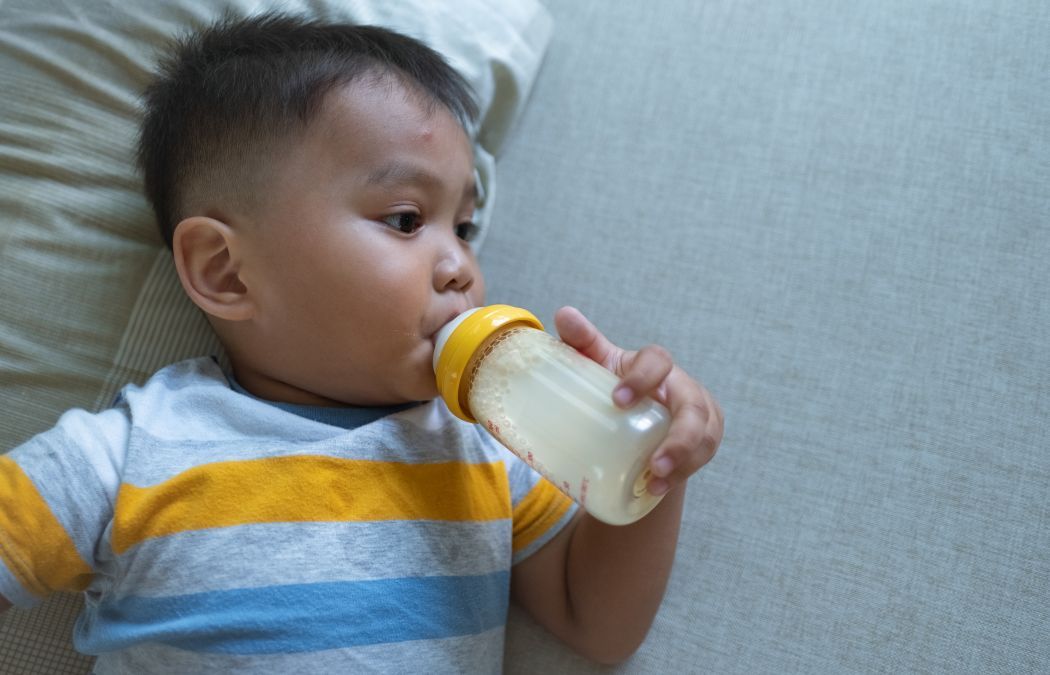


Few things are as heartbreaking for a pediatric dentist as seeing extensive decay in a toddler's mouth. The child is too young to understand what's happening, often in significant pain, and facing treatment that might have been entirely prevented with different feeding habits. Baby bottle tooth decay—also called early childhood caries or nursing caries—remains one of the most common chronic diseases affecting young children, yet many parents have never heard of it until their own child is affected.
At Stone Oak Children's Dentistry & Orthodontics, Dr. Aashna Handa has seen firsthand how devastating early childhood decay can be for families. A Board Certified Pediatric Dentist who earned her dental degree from UCLA and her specialty certificate from Nova Southeastern University where she served as chief resident, Dr. Handa has extensive training in treating the youngest dental patients. Her residency included work with children at the Mailman Segal Center for Human Development, giving her particular insight into the developmental aspects of early childhood oral health. Understanding baby bottle tooth decay—what causes it, how to prevent it, and what to do if it develops—can spare families significant heartache.
What Exactly Is Baby Bottle Tooth Decay?
Baby bottle tooth decay refers to severe tooth decay in infants and toddlers, particularly affecting the upper front teeth though any teeth can be involved. The name comes from one of the most common causes: putting babies to bed with bottles containing anything other than water. However, the same pattern of decay can develop from prolonged breastfeeding, frequent on-demand feeding throughout the night, and other feeding practices that keep natural sugars in contact with teeth for extended periods.
The pattern of decay is distinctive. Upper front teeth typically show damage first because they're in direct contact with the liquid pooling in the mouth during feeding. Lower front teeth are often spared because the tongue covers them during sucking. As decay progresses, it can spread to other teeth and become severe enough to cause pain, infection, and tooth loss.
What makes baby bottle decay particularly aggressive is timing. It affects teeth shortly after they erupt, when enamel is still relatively thin and vulnerable. Young children's teeth simply haven't had time to mature and strengthen. Once decay takes hold, it can progress rapidly, sometimes destroying teeth in a matter of months.
The Biology Behind the Damage
Understanding how baby bottle decay develops helps explain why certain feeding practices are so problematic. Decay is essentially a bacterial infection. Bacteria in the mouth feed on sugars and produce acid as a byproduct. This acid attacks tooth enamel, breaking it down and creating cavities.
When a baby falls asleep with a bottle of milk, formula, or juice, the liquid pools around the teeth for hours. Unlike awake periods when saliva flow helps rinse away sugars and neutralize acids, saliva production decreases during sleep. The sugars in the liquid feed bacteria all night long, and the acid they produce has extended time to damage enamel.
Breast milk contains natural sugars too. While breastfeeding offers many health benefits, prolonged nighttime nursing sessions—especially after teeth have erupted—can create similar conditions for decay. The issue isn't breastfeeding itself but the extended, overnight contact between natural sugars and vulnerable baby teeth.
Recognizing the Warning Signs
Early baby bottle decay may appear as white spots or lines near the gum line on upper front teeth. These areas indicate demineralization—the first stage of decay before actual cavities form. At this point, the damage may be reversible with proper intervention.
As decay progresses, the white spots become yellow, then brown. Eventually, the enamel breaks down completely, leaving visible cavities. Advanced decay can cause teeth to become brittle and crumble, sometimes breaking off at the gum line.
Other signs include bad breath, reluctance to eat or drink cold items, fussiness during feeding, and visible swelling in the gums or face. Children this young can't articulate tooth pain, so behavioral changes often provide the only indication that something is wrong.
By the time decay becomes visually obvious, significant damage has usually occurred. This is one reason why the American Academy of Pediatric Dentistry recommends that children see a dentist by age one—catching problems early, when treatment is simpler and more effective.
Prevention Strategies That Work
The good news is that baby bottle decay is highly preventable. Simple changes to feeding routines and oral hygiene practices can dramatically reduce risk.
Never put a baby to bed with a bottle containing anything other than water. This single change eliminates the prolonged sugar exposure that causes most cases of baby bottle decay. If a baby needs a bottle for comfort at bedtime, fill it with plain water only.
Wean from the bottle by age 12-14 months. The American Academy of Pediatrics recommends transitioning to a cup around the first birthday. Prolonged bottle use—especially with sugary drinks—increases decay risk and can also affect tooth alignment and speech development.
Avoid putting juice in bottles. Juice is high in sugar and acid, making it particularly damaging to teeth. If you give juice, serve it in a cup, limit quantities, and offer it only at mealtimes.
Don't dip pacifiers in honey or sweeteners. While this might seem like an innocent way to soothe a fussy baby, it coats teeth with sugar and encourages decay.
Begin oral hygiene early. Even before teeth erupt, parents can wipe baby's gums with a clean, damp cloth after feedings. Once teeth appear, brush them twice daily with a soft infant toothbrush and a rice-grain-sized smear of fluoride toothpaste.
Schedule a dental visit by age one. Early dental visits establish a baseline, allow the dentist to identify any concerns, and provide an opportunity for preventive guidance specific to your child.
When Decay Has Already Developed
If your child already shows signs of baby bottle decay, early intervention is crucial. What might be treated with remineralization therapy in the earliest stages may require fillings, crowns, or even extractions if decay progresses.
Treatment for very young children presents unique challenges. Toddlers can't understand explanations about what's happening or cooperate for extended procedures. For this reason, treatment for baby bottle decay often involves sedation or general anesthesia—not because the procedures themselves are complicated, but because young children simply cannot hold still and follow instructions for dental work.
Dr. Joanna Ayala, also a Board Certified Pediatric Dentist at Stone Oak Children's Dentistry & Orthodontics, completed her specialty training at Miami Children's Hospital, where she gained extensive experience with sedation techniques for young children. The practice offers laughing gas, oral sedation, and general anesthesia options, selecting the appropriate approach based on the child's age, temperament, and treatment needs.
Some parents question whether treating baby teeth is worthwhile since they'll eventually fall out. However, untreated decay causes pain, affects nutrition and sleep, can damage developing permanent teeth, and may spread infection. Baby teeth also hold space for permanent teeth—losing them too early can create orthodontic problems later. Treatment is almost always preferable to waiting.
The Emotional Impact on Families
Beyond the physical effects, baby bottle decay often creates significant emotional distress for parents. Many feel guilty, wondering what they did wrong or how they missed the signs. They may face judgment from others who don't understand how decay happens in such young children.
It's important for parents to know that baby bottle decay isn't a reflection of bad parenting. Many caring, attentive parents simply weren't aware of the risks associated with certain feeding practices. The transmission of decay-causing bacteria from parent to child—through sharing utensils or cleaning a pacifier with your mouth—isn't common knowledge. And the speed at which decay can progress in baby teeth catches many families off guard.
What matters most isn't dwelling on how decay developed but taking steps to address it and prevent further problems. The dental team at Stone Oak Children's Dentistry & Orthodontics approaches these situations without judgment, focusing on treatment and education rather than blame.
Protecting Future Teeth
After addressing existing decay, the focus shifts to preventing new problems. This typically involves modifying feeding practices, improving oral hygiene routines, and establishing regular dental visits.
Fluoride plays an important protective role. Fluoride toothpaste, fluoride treatments at dental visits, and in some cases prescription fluoride supplements or rinses can strengthen enamel and help prevent new cavities. The dentist may also recommend dental sealants once permanent molars erupt.
Dietary changes matter too. Limiting frequency of sugar exposure—not just total sugar consumption—reduces cavity risk. Encouraging water as the primary beverage, offering sweets only at mealtimes, and avoiding sticky snacks all help protect teeth.
Most importantly, maintaining regular dental visits allows the team to monitor teeth, provide professional cleanings, apply protective treatments, and catch any new problems early.
Schedule Your Child's Visit at Stone Oak Children's Dentistry & Orthodontics
Dr. Aashna Handa, Dr. Joanna Ayala, and Dr. Noor Mansouri welcome families throughout San Antonio to Stone Oak Children's Dentistry & Orthodontics. Whether your child needs their first dental visit, has concerns that need evaluation, or requires treatment for existing problems, the practice offers comprehensive care in a warm, child-friendly environment.
The office is located at 20507 Stone Oak Pkwy in San Antonio, with appointments available Monday through Friday. Family block scheduling accommodates siblings, and the practice accepts most insurance plans.
Call (210) 988-0504 to schedule your child's appointment. Because preventing baby bottle tooth decay is so much easier than treating it—and every child deserves a healthy start.


